Introduction
There are few places in the world where a round of golf is shaped as much by light as by landscape. In the Nordic region, particularly during the height of summer, daylight stretches, a pattern that fits closely with the broader seasonal structure outlined in The Golf Season in the Nordics far beyond what most golfers are used to. In the far north, the sun does not set at all for a period of time, creating the possibility of playing golf late into the evening, or even through the night. For many, the idea of golf in the “midnight sun” is a curiosity, something unusual or slightly novel. In reality, it offers one of the most distinctive and memorable golfing experiences available anywhere. The purpose of this guide is to explore where it is possible, what it feels like, and why playing golf at the edge of the night is something that stays with you long after the round itself is finished.
What is the Midnight Sun?
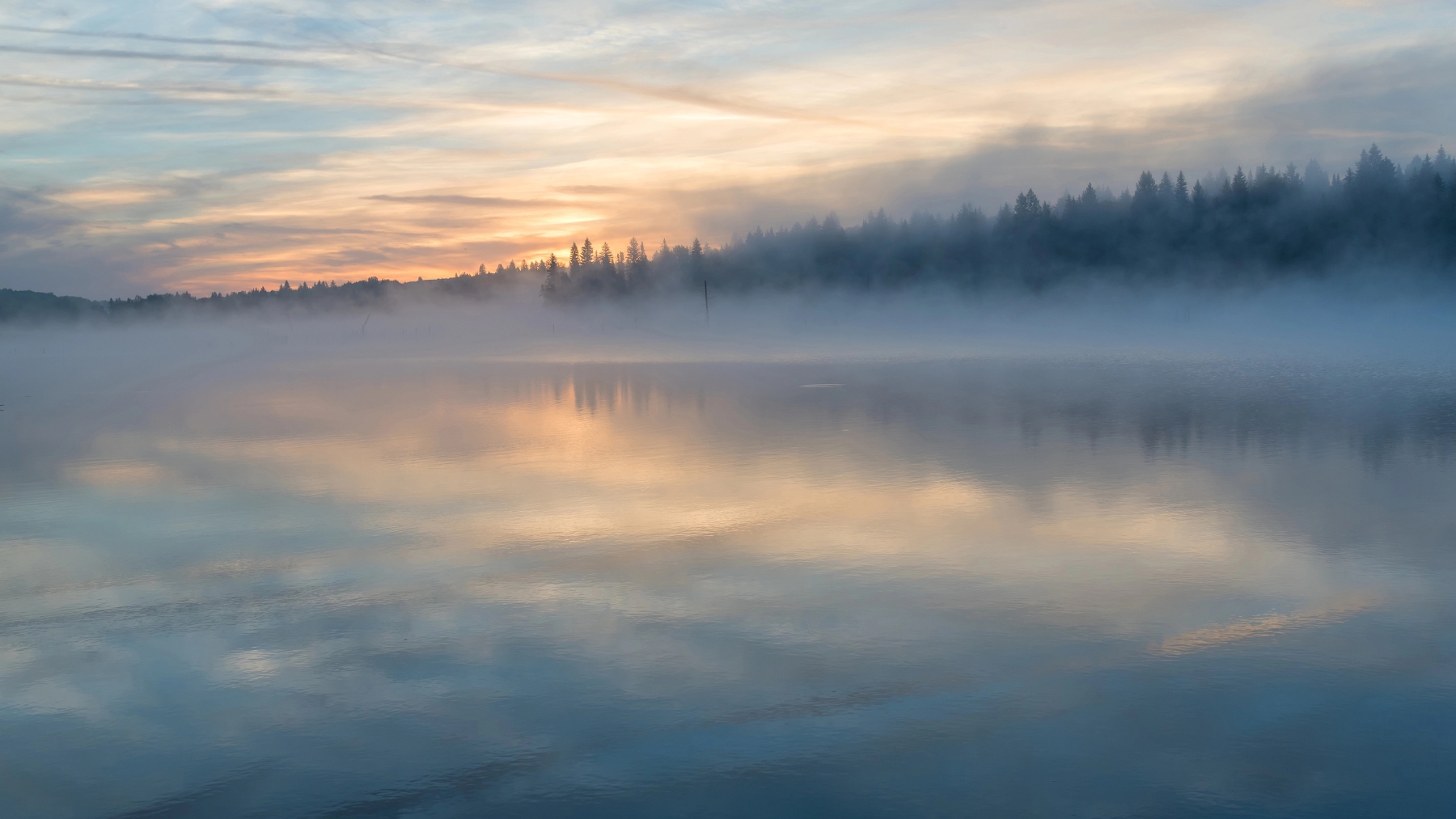
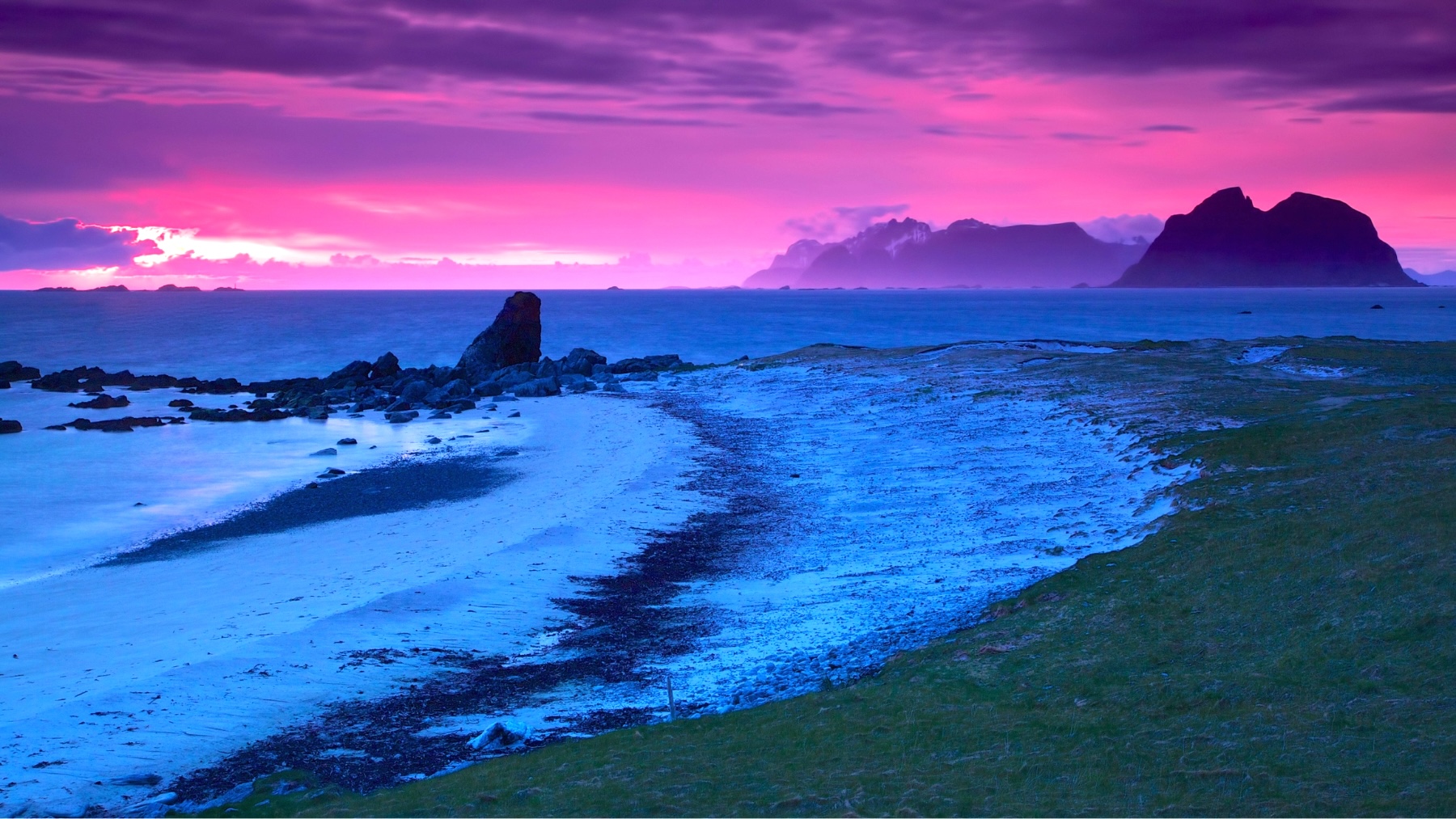
The midnight sun occurs in regions north of the Arctic Circle, where the tilt of the Earth means that the sun remains above the horizon for a continuous period during summer. In practical terms, this means that for part of the year there is no true darkness. Instead, the light softens, shifts, and lingers. Even outside the Arctic Circle, long northern summer evenings create extended daylight that makes late golf possible. In Sweden and Finland, it is not unusual to begin a round in the early evening and still be playing comfortably well past 10 or 11pm. Further north, the concept of “late” begins to lose its meaning altogether.
Where can you experience it?
Northern Norway
Norway offers some of the most dramatic settings for midnight sun golf, as explored more broadly in the Golf in Norway guide. Courses along the northern coastline combine extended daylight with landscapes shaped by mountains and sea. Lofoten Links is the best-known example and is now rated as one of the world's top courses. Situated north of the Arctic Circle, the course sits directly on the coastline, with holes played across rocky ground and along the edge of the Norwegian Sea. During midsummer, it is entirely possible to tee off late in the evening and play under a low, constant sun that never fully disappears. The experience is less about the score and more about the setting. The stillness of the light, the sound of the sea, and the sense of time stretching out create something that feels quite different from a normal round.
Northern Sweden
In the far north of Sweden, golf becomes closely tied to the rhythm of the landscape. Sweden as a whole offers one of the most varied golf experiences in the Nordic region, but in the north the light becomes part of the game itself. Around areas such as Kiruna and Gällivare, the long summer days create conditions where golf can be played at almost any hour. The light here is softer than further south, with long shadows and a muted palette that changes slowly through the night. It is not the dramatic spectacle often associated with sunset golf, but something quieter and more subtle. Courses in this region are often simpler in design, but that is not the point. The experience is shaped by space, silence and the unusual continuity of daylight.
Finnish Lapland
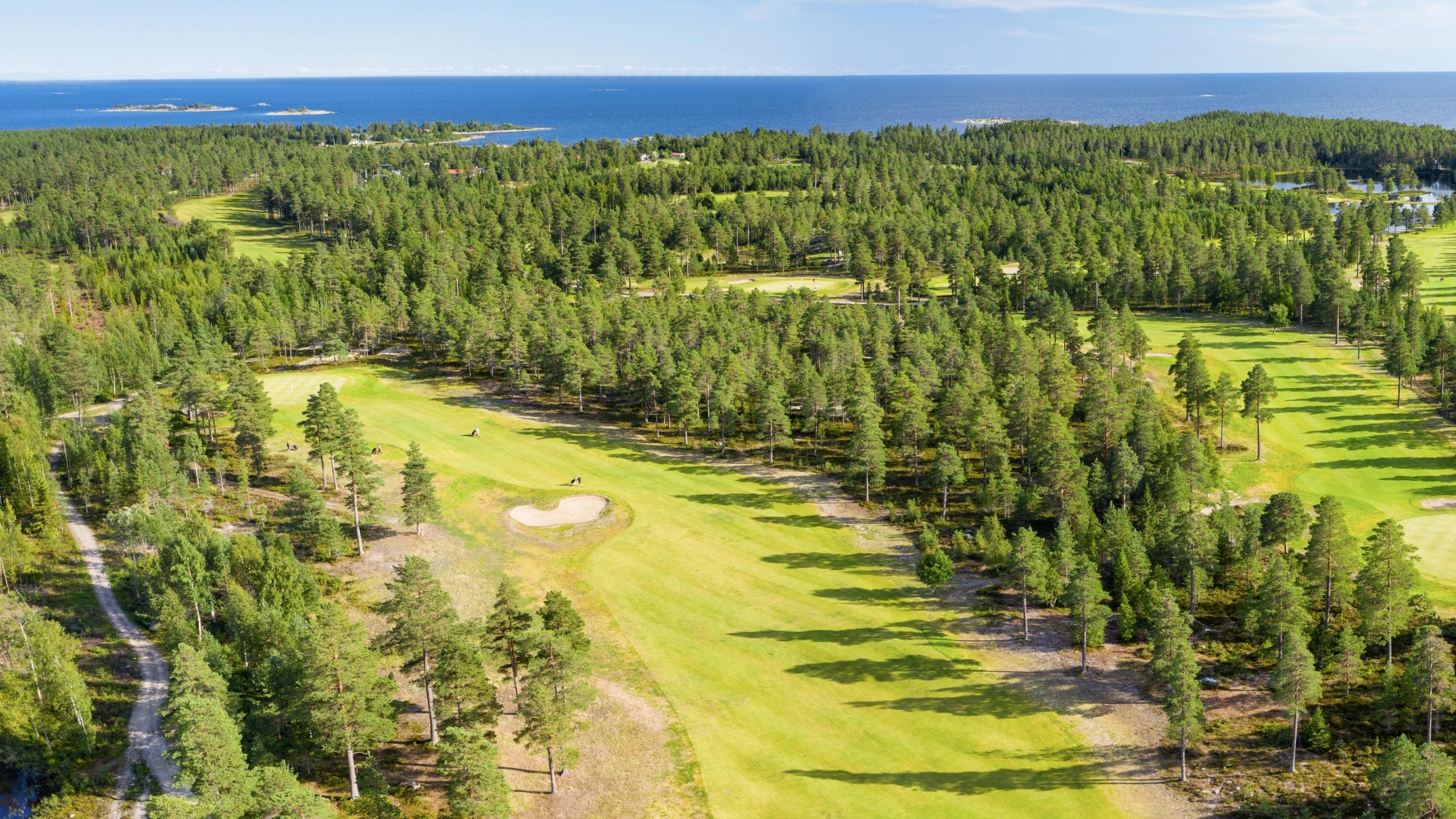
Finland offers a slightly different version of the same phenomenon, as covered in the Golf in Finland guide. The landscape is flatter, with forests and open ground replacing mountains, but the sense of extended daylight is just as strong. Santa Claus Golf Club in Rovaniemi is one of the most accessible places to experience midnight sun golf. Located directly on the Arctic Circle, it allows golfers to combine the novelty of location with a well-maintained and playable course. Here, the experience is often calmer and more reflective. The light lingers, the pace of play slows, and the round becomes less about moving quickly from hole to hole and more about simply being present in the environment.
Iceland
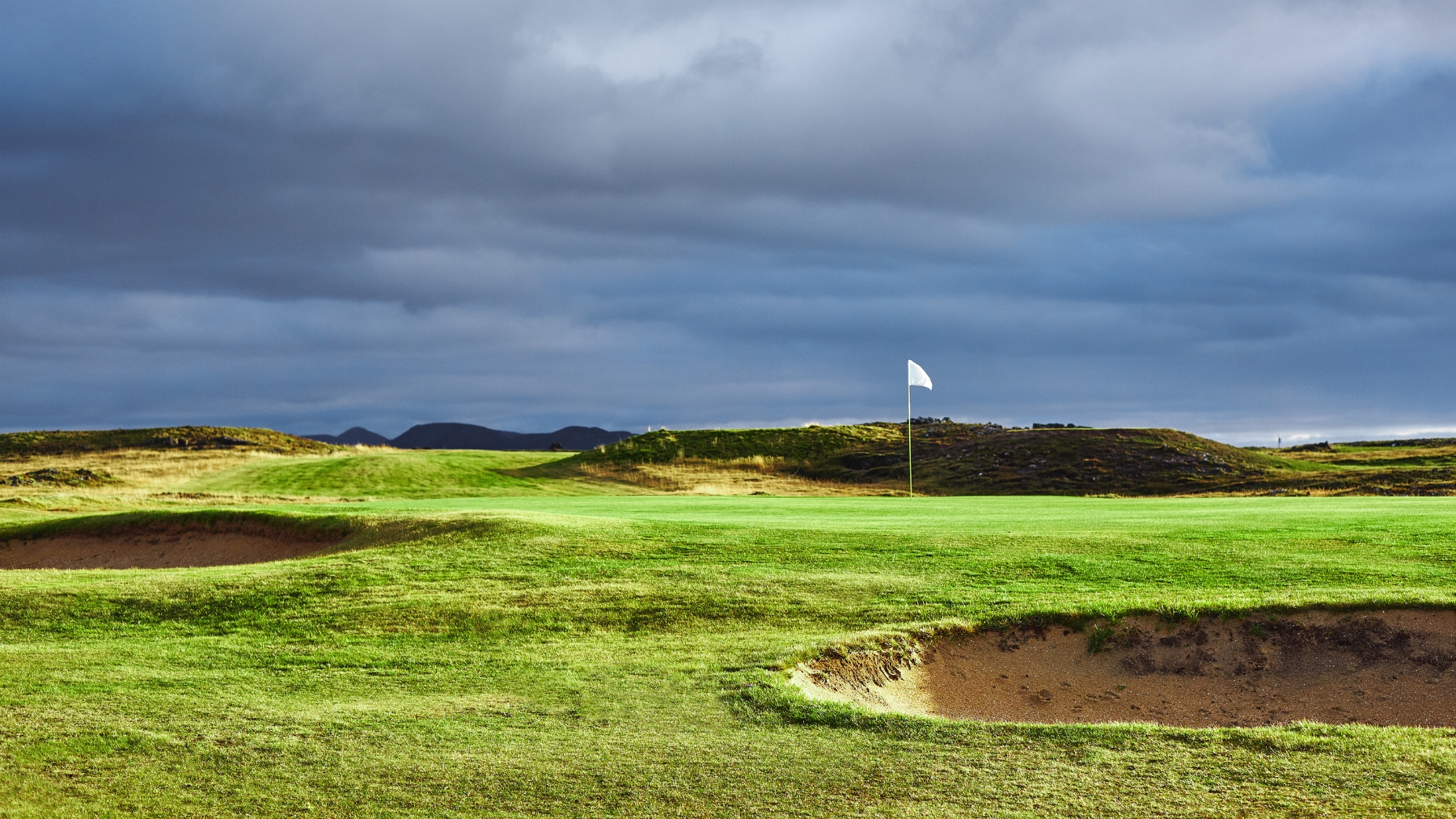
Iceland, while sitting just south of the Arctic Circle, still has long summer days, something that aligns closely with the landscape-driven experience outlined in the Golf in Iceland guide that create extended light well into the night, particularly around the June solstice. The experience here is shaped as much by volcanic landscape as by daylight. Courses are often set across lava fields or along exposed coastal ground, where the terrain feels markedly different from elsewhere in the Nordic region. At places such as Akureyri Golf Club in the north of the country, it is possible to play in near-continuous light during midsummer, with the annual Arctic Open built around the idea of golf played through the night. What stands out in Iceland is not just the length of the day, but the quality of the light itself. It tends to be softer and more diffuse, with long, low horizons and a sense of openness that reinforces the feeling of playing at the edge of time.
What It Feels Like to Play
The most striking aspect of midnight sun golf is not the fact that you can play late, but how it changes your perception of time. A round that begins at 8pm no longer feels unusual. There is no sense of urgency to finish before dark, and the usual markers of time begin to disappear. Instead, the light becomes the only reference point, and even that changes very gradually. There is often a calmness to the course. Fewer players, less movement, and a quieter atmosphere. Conversations soften, the pace slows, and the experience becomes more immersive. Shots are still hit, scores are still kept, but they matter slightly less. What stays with you is the setting, the light, and the sense that you are playing at a time when you normally would not be.
Practical Considerations
While the experience feels unusual, organising it is relatively straightforward. The key is location. To experience true midnight sun, you need to be north of the Arctic Circle, but extended evening golf is possible much further south. Understanding where you are travelling and what kind of experience you want is important. Weather is another factor. Even in summer, temperatures in northern Scandinavia can be cooler than expected, particularly late in the evening. Layers are essential, even if the day itself has been warm. Finally, it is worth considering how you structure your day. Playing late into the evening often means adjusting your normal routine. A round might begin when you would usually be finishing dinner, and end at a time when most places elsewhere would be closed. If you are planning a multi-round trip, you also need to remember that you will need to plan for at least some sleep.
Why It Matters
Midnight sun golf is not simply about novelty. It changes the way you experience the game. In most places, golf is bounded by time. Tee times, daylight, and the practicalities of scheduling shape how and when you play. In the Nordic summer, those boundaries are loosened. The game becomes less constrained and more open. It also reinforces one of the defining characteristics of golf in this region: the importance of place. The landscape, the light, and the environment are not just a backdrop, but an integral part of the experience.
Conclusion
Playing golf under the midnight sun is one of those experiences that is difficult to fully understand until you have done it. It is not simply about playing late, but about stepping slightly outside the normal rhythm of the game. Whether in the dramatic landscapes of northern Norway, the quiet expanses of Swedish Lapland, or the forested surroundings of northern Finland, the combination of golf and endless light creates something distinctive. For those willing to travel a little further north, it offers a different way of experiencing the game; one shaped not just by the course, but by the light that never quite leaves the sky.