Introducing Sweden
For many golfers outside Scandinavia, it is fair to say that Sweden is still slightly off the main golfing map. Scotland has its history and legacy, Spain has the sun, Portugal has great value packages, and Ireland, well, it has its Irish romance. Sweden, by contrast, when it comes to golf, is often treated as a curiosity rather than a serious golf destination. However, such a view really is a mistake and potentially a missed opportunity. Indeed, when you take a closer look, Sweden has a huge amount going for it. It has a deeply rooted golf culture, a large and active playing population, excellent courses spread across the country, long summer days, strong standards of maintenance, and a travel experience that feels different from the usual southern European golf holiday.
Sweden is not the obvious choice, and that is part of its appeal. If you are the kind of golfer who likes the idea of combining serious golf with clean landscapes, calm surroundings, good food, efficient travel, and a sense that you are doing something slightly more interesting than the standard resort week, Sweden starts to make a lot of sense. The real question is not whether there is golf in Sweden. There is plenty. The real question is whether Sweden is the right golf destination for you. This guide is designed to help answer that and, if you decide it is, help you decide where you should book a trip.
What Makes Golf in Sweden Different
One of the key things that makes golf in Sweden stand out from many other European destinations is that it does not feel manufactured for tourism. In many countries, the golfing experience can feel built around packages. In contrast, in Sweden, golf feels more grounded. The game is part of everyday life, supported by a strong domestic golf culture rather than built purely for visitors. There are very few courses that have been created specifically for the tourist market, if any.
Another key difference is the setting. Sweden offers variety without chaos. You can play near Stockholm in polished surroundings, head to the west coast for a more open and breezy feel, travel south for accessibility, variety and some excellent links golf, or go north for something genuinely different, including playing under the midnight sun.
While not everywhere in Sweden experiences the midnight sun, the whole country benefits from long summer days. This creates a different rhythm for golf, where the extended daylight means you are never squeezing a round into a tight schedule. The day stretches. You can play, travel, eat, and still feel like there is time left to do something else. It even allows for the possibility of playing in one place, travelling a significant distance, and still fitting in another round before the light fades.
Sweden is not trying to be Spain, and that is exactly why it works.
Best Regions for Golf in Sweden
When it comes to condsidering Sweden as a golfing destination it is better to start to think about specific regions rather than the country as a whole. Sweden covers a huge geographical area, with huge differences in topography, climate and culture from its extremes. While there is high quality golf throughout the country, the opportunities are greater in the central and southern regions. Considering this, for those of you new to thinking about the possibility of golfing here, we will start by considering five locations.
Stockholm and the Mälaren Region
For most international visitors, Stockholm is the natural starting point. It is easy to access, offers a strong city base, and is home to some of Sweden’s best-known courses. This region suits golfers who want a more polished trip. The golf is high quality, the infrastructure is excellent, and everything tends to work as you would expect it to. Travel between the airport, the city, and the courses is straightforward, and there is a level of organisation here that makes planning relatively simple, even on a first visit.
For those keen to get started quickly, Arlandastad Golf lies less than a ten-minute drive from Arlanda Airport, and the Masters Course there is a DP World Tour qualifying school venue. A little further on, Sigtuna Golfklubb, on the edge of Sigtuna, Sweden’s ancient capital, provides a good test and a more traditional Swedish club feel.
Within the city itself, or within an hour’s drive, there is a diverse range of outstanding courses. North of the city, both Djursholm Golfklubb, a tree-lined parkland layout, and Stockholm Golf Club in Danderyd, whose rolling parkland course is the second oldest in the country, provide a good level of challenge within close proximity to the city. Just to the west, Kungliga Drottningholms Golfklubb, which sits alongside Drottningholm Palace, the residence of the King of Sweden, offers the added appeal of playing next to a UNESCO World Heritage site.
The area around Lake Mälaren, just outside Stockholm, is where much of the standout golf is found. Courses here tend to feel modern, well presented, and thoughtfully designed, often set within open landscapes that give a real sense of space without feeling remote. This is not rugged, windswept golf in the traditional links sense. It is cleaner, more structured, and in many cases more refined. Among the finest courses bordering Mälaren are the Stadium Course at Bro Hof Slott and Frösåker Golf & Country Club.
What makes Stockholm particularly appealing is the balance it offers. You can base yourself in or near the city and still access some of the best golf in the country within a relatively short distance. That creates a different type of golf trip, where the experience does not start and end at the course. You can play in the morning, head back into the city, and still have the evening to enjoy good food, a walk through Gamla Stan, or simply the atmosphere of being somewhere that feels a bit different.
For many golfers travelling to Sweden for the first time, this region makes the most sense. It gives you a strong introduction to the standard of golf in the country without adding unnecessary complexity to the trip, while also allowing you to combine golf with something broader, which is part of what makes Sweden such an interesting option in the first place. If you want to explore this area in more detail, our guide to Golf in Stockholm goes into it more fully.
Southern Sweden: Skåne and Malmö
Southern Sweden is often the easiest region to access from mainland Europe. It is close to Denmark and works well for golfers who want to explore multiple courses without having complicated travel arrangements.
The Skåne and Malmö area is a practical and flexible option for golfing in Sweden, particularly for a first trip. The proximity to Copenhagen means you can fly into Denmark and cross the Øresund Bridge into Sweden in under an hour, which immediately removes a lot of the friction that can come with travelling further north. From there, the region opens up in a way that makes it well suited to a more mobile style of golf trip.
What stands out in southern Sweden is the variety of options within a relatively compact area. You can move between different types of courses without long drives, and that makes it easier to build a trip that feels varied without becoming complicated. There is a mix of parkland layouts, more open courses, and some excellent links-style golf along the coast, particularly around the Falsterbo peninsula.
Falsterbo Golf Club is probably the most recognisable name in the region and gives a strong sense of what coastal golf in this part of Sweden can offer. It is exposed, natural, and shaped by the surrounding landscape rather than forced into it, and is arguably one of the truest links-style courses outside of the British Isles. Nearby, Ljunghusen Golf Club offers a similar coastal feel, and together they form a strong anchor for any trip in the south.
Away from the coast, courses such as Vasatorps Golfklubb provide a different experience again, with a more inland, structured feel that balances out the trip. That contrast is part of the appeal of this region. You are not committing to one type of golf. You are building a trip that moves between styles.
The overall pace of a trip in southern Sweden also feels slightly different from Stockholm. It is less about combining golf with a major city experience and more about the journey itself. You move between courses, stay in different places, and let the trip unfold over a few days. That makes it particularly well suited to small groups or golfers who enjoy the planning side of a trip as much as the golf.
For many travelling golfers, this region offers one of the easiest ways into Swedish golf. It is accessible, varied, and straightforward to organise, while still giving a strong sense of what makes golf in Sweden distinctive.
The West Coast
The west coast offers an altogether different atmosphere to other areas of Sweden. Around Gothenburg and Halland, the experience leans more towards coastal golf, good food, and a relaxed pace. This suits golfers who value the overall trip as much as the golf itself.
This part of Sweden feels less polished than Stockholm, but in a good way. It is slightly more understated, a little less structured, and often feels closer to the landscape. The coastline plays a big part in that. The air is different, the light is different, and the golf tends to reflect that. Courses here often feel more open, more exposed, and more shaped by their surroundings.
Halland, in particular, is one of the strongest golfing areas in the country. It has a concentration of well-regarded courses within a relatively short stretch of coastline, which makes it ideal for a trip where you base yourself in one area and explore from there. Halmstad Golf Club, with its two outstanding courses, is probably the standout name and has hosted multiple major amateur and professional events, but it is far from the only option. There is enough depth here to build a varied trip without needing to travel long distances.
Gothenburg adds another layer to the region. As Sweden’s second city, it provides a strong base with good restaurants, a lively but manageable atmosphere, and easy access to the surrounding courses. It is not as formal as Stockholm, and that tends to carry through into the overall feel of a trip. In the immediate area, you can play excellent golf during the day at courses such as Hills Golf Club or Vallda Golf & Country Club and still have a relaxed, enjoyable evening without the sense that everything needs to be planned.
The west coast works particularly well for golfers who are not in a rush. It suits a slower itinerary, where you play, travel short distances, eat well, and take in the surroundings. It is less about ticking off headline courses and more about the feel of the trip as a whole. For many, this ends up being one of the most enjoyable ways to experience golf in Sweden. It is slightly less obvious, a little more relaxed, and often leaves a stronger impression than you expect going in.
Gotland
Gotland is one of Sweden’s most distinctive destinations and hugely popular with Swedes. It offers strong golf combined with a unique island setting and a historic town at its centre. A trip here feels more like a destination experience than part of a wider tour.
The island sits out in the Baltic Sea and, once you arrive, it has a slightly different feel to the rest of Sweden. It is more contained, more focused, and everything is built around the idea that you are there for a few days rather than just passing through. That works well for golf, as it allows you to settle into the trip rather than constantly moving between places.
Visby is the centre of it all. The town itself is a big part of the appeal, with its medieval streets, old walls, and a relaxed atmosphere that makes it easy to spend time away from the course. It does not feel like a golf resort, and that is part of the point. The golf sits alongside the place, not on top of it.
Visby Golf Club is the obvious anchor for any trip to Gotland. It is one of the most recognised courses in Sweden and is consistently ranked among the top courses in the country. The setting, right on the coastline, gives it a very different feel to much of the golf on the mainland and is visually striking. It is open, exposed in places, and shaped by the landscape in a way that feels natural rather than constructed. To the north-east of the island, Slite Golf Club provides a different but equally distinctive experience, with a course dominated by red fescue, something rarely seen elsewhere in Sweden.
The scale of Gotland also works in your favour. You are not dealing with long travel days or complicated logistics. You can stay in one place, play the golf you want to play, and still have time to enjoy the island itself. That simplicity is part of what makes the trip work so well.
For many golfers, Gotland is not the first place they think of when planning a trip to Sweden. But once it is on the list, it often becomes one of the most appealing options. It is different, it is self-contained, and it offers a type of golf trip that is as much about where you are as what you play.
Northern Sweden
Northern Sweden is not the most obvious place to plan a golf trip, and for many golfers it will not be the first option they consider. It sits further away, the travel is a little more involved, and the conditions are very different from what most people are used to. But for those willing to make the journey, it offers something that is genuinely unique.
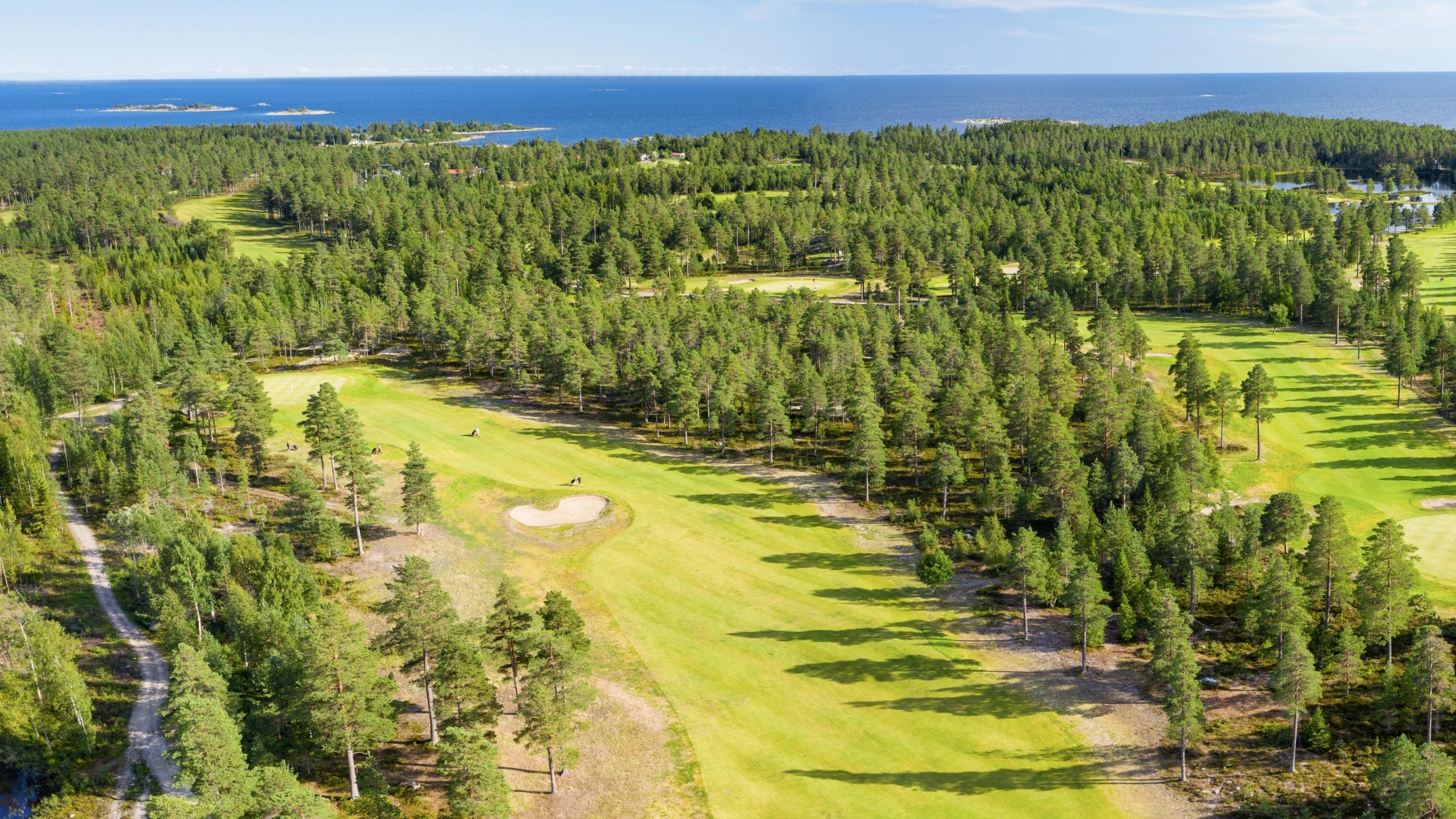
This is where golf in Sweden starts to feel very different from anywhere else in Europe. The landscape opens up, the population thins out, and the sense of space becomes part of the experience. Courses here are often set within vast natural surroundings, with forests, lakes, and open land shaping the feel of the round as much as the design itself.
The most distinctive feature of golf in northern Sweden is the light. In the height of summer, the days stretch endlessly, and in some areas the sun never fully sets. That changes the rhythm of the game completely. Playing golf under the midnight sun is one of the most distinctive experiences the Nordic region can offer. You are not working around daylight hours in the same way. You can play late into the evening, take a break, and still have time for more golf if you want it. It creates a pace that feels very different from a typical golf trip.
Courses such as Luleå Golf Club and Boden Golf Club, which sit close to the Arctic Circle, give a good sense of what the region offers. The golf itself is strong, but it is the setting and the overall experience that stay with you. This is not about playing a famous course and moving on. It is about being somewhere that feels genuinely different. If you are feeling particularly adventurous, Björkliden Golfklubb, a nine-hole, eighteen-tee layout around 250km north of the Arctic Circle, offers one of the most unique golfing experiences anywhere, albeit with an incredibly short playing season.
Travel in the north of Sweden does require a bit more planning. Distances are greater, and you are unlikely to build a trip around multiple courses in the same way you might in the south. But that is not really the point. Northern Sweden works best when you treat it as a destination in its own right, rather than part of a wider tour.
For some golfers, this will feel too far removed from the traditional idea of a golf trip. For others, it will be exactly what they are looking for. It is quieter, more remote, and more about the experience than the scorecard. If you are looking for something that feels genuinely different, and are prepared to travel a little further to find it, northern Sweden offers one of the most unusual and memorable golf experiences you are likely to come across.
Standout Courses to Know
Sweden has real depth when it comes to quality golf, and while a number of courses have already been mentioned, it is worth stepping back and recognising the overall standard. Courses such as Bro Hof Slott and Visby Golf Club tend to headline discussions, but they are not isolated examples. Across the country, there is a consistent level of quality that allows you to build a trip around a variety of courses rather than relying on one or two standout venues. New, high-quality layouts are also still being added, which says a lot about the health and ambition of golf in Sweden. In recent years, Henrik Stenson, the Nordics’ only men’s major champion, designed a signature course at Österåker and, in 2025, opened the highly exclusive Crownwood Club in conjunction with architect Christian Lundin.
What becomes clear quite quickly is that Sweden does not rely on a single style of golf. There is variety in both landscape and design, from coastal links-style layouts in the south, to parkland courses around Stockholm, and more remote experiences further north. That gives you genuine flexibility when planning a trip, depending on what kind of golf you are looking for. Critically, Sweden is not a golf destination built around a handful of famous names. It is a golfing country with real depth, and that is part of what makes it such an interesting option if you are looking for somewhere slightly away from the golfing masses.
When to Visit
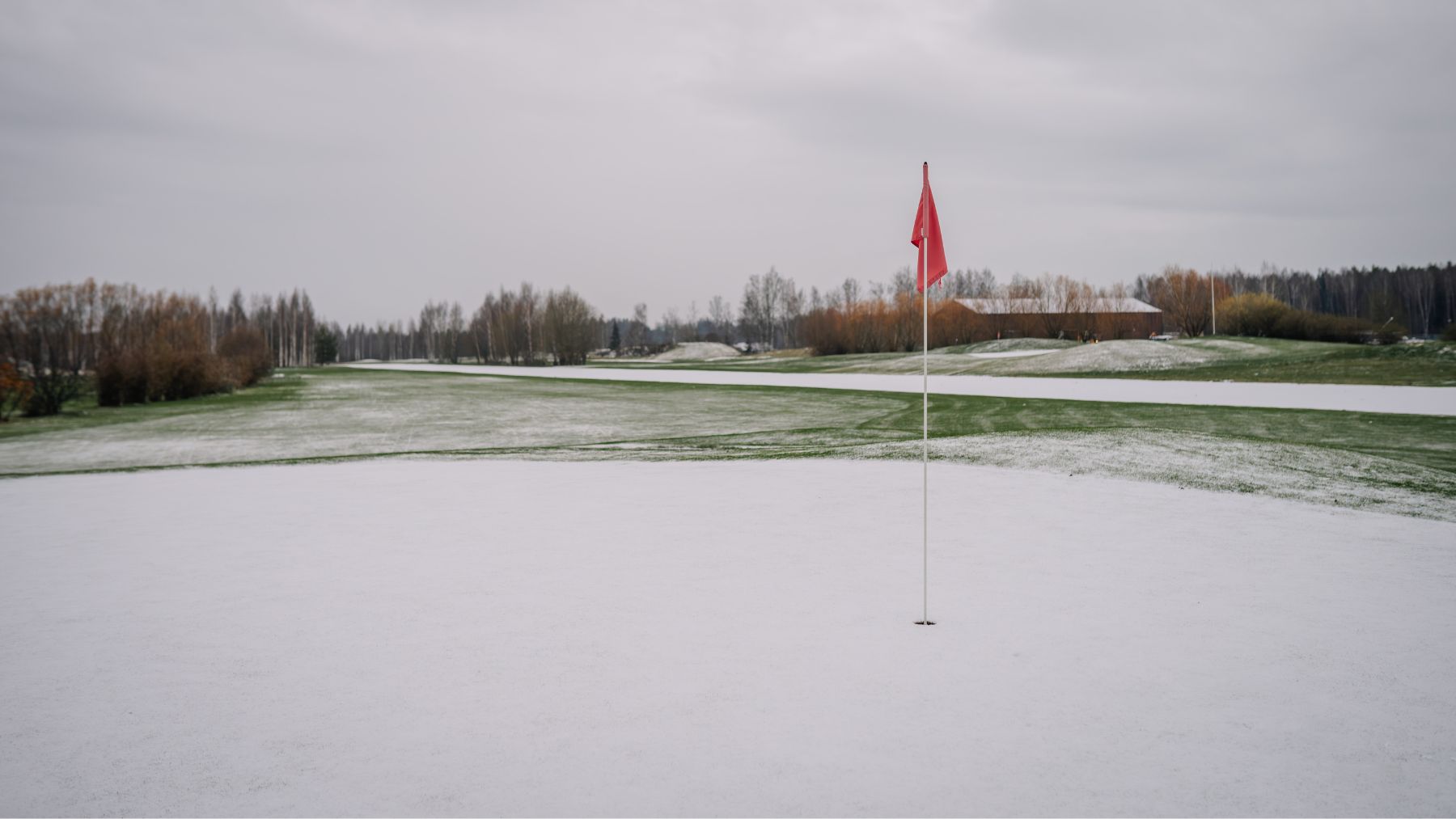
Like across many areas of the Nordics, there are times of year where you will be hard pressed to find an open golf course in Sweden. Those that are ‘open’, are usually being used for cross country skiing! However, there is a clear Swedish golf season and it usually runs from late spring to early autumn.
For most travellers, June to August offers the best combination of weather and long daylight hours. This is when Sweden feels most alive, and when the extended light allows for a more relaxed pace of golf, with rounds stretching well into the evening. The shoulder months on either side of peak summer can also work well. May and September often offer quieter courses and slightly better value, although the weather is naturally a little less predictable. Experience says trust September a little more, but only just.
Timing your trip really depends on what you are looking for. If you want the full experience, long days, good conditions, and a lively atmosphere, mid-summer is the obvious choice. If you prefer something quieter and slightly more flexible, the edges of the season are also well worth considering.
Typical Costs and Overall Value
Sweden is not a low-cost golf destination. Green fees, accommodation, and food are generally higher than in southern Europe, and that is something to be aware of when planning a trip. That said, value here is not about price alone. The overall experience tends to justify the cost. Courses are well maintained, facilities are strong, and the wider travel experience is smooth, easy and very well organised.
For many golfers, the appeal of Sweden lies in that balance. You are not necessarily travelling for the cheapest possible trip, but for something that feels a little more considered and, in many cases, more memorable. This is a destination that suits golfers who are prepared to spend a little more for a higher-quality overall experience.
Where to Stay
Accommodation in Sweden is varied and generally of a high standard, and in many cases plays an important role in shaping how a golf trip is put together. In Stockholm and the surrounding region, there is a wide range of hotels across different price points, making it easy to base yourself in or around the city while accessing a number of high-quality courses nearby. This works particularly well if you want to combine golf with restaurants, culture, and the wider city experience, while keeping travel straightforward and predictable.
In other parts of the country, particularly in southern Sweden and along the west coast, it often makes more sense to stay closer to the courses themselves. Small hotels, guesthouses, and self-catering accommodation are common, and these tend to provide a more flexible and practical base for a golf-focused trip. Distances are generally manageable, but choosing accommodation close to your planned courses allows for a more relaxed pace and makes it easier to build a simple and efficient itinerary. For those travelling in groups, larger rental properties can offer a good balance of space, flexibility, and overall value.
In more remote areas, such as Gotland or northern Sweden, accommodation becomes more closely tied to the overall experience. Staying in one location and building your trip around it allows you to settle into the rhythm of the place, rather than moving frequently between regions. In these parts of the country, the setting becomes a more central part of the trip, with the combination of landscape, light, and pace shaping the experience just as much as the golf itself.
How to Get There and Around
Sweden is relatively easy to reach, particularly from the UK and northern Europe. Stockholm, via Arlanda Airport is the main international gateway, but Gothenburg and Malmö also provide useful access depending on where you plan to play. Also, internationally, many visitors to southern Sweden arrive via Copenhagen in Denmark, which is incredibly easy and hassle free.
Once in the country, travel is generally straightforward. For trips focused around one region, transfers are simple and distances manageable. For more flexible itineraries, particularly in southern Sweden or along the west coast, hiring a car gives you the freedom to move between courses at your own pace. If you are feeling adventurous, you could also hire a camper van. Every year, tens of thousands of campers arrive from Europe and spread themselves out all across the country, so facilities are easy to find and well priced.
As with most things in Sweden, the logistics tend to be efficient and well organised, which makes the overall travel experience easier than you might expect. Also, and important for international tourists, the level of English spoken across all the Nordic countries is remarkably high. In Sweden, children learn English in school from a young age and most Swedes are very happy to use it.
Who Sweden Is Perfect For
As a golfing destination, Sweden suits golfers who enjoy travel as much as golf. It works particularly well for those who are looking for something slightly different from the standard golf trip. The combination of strong courses, natural surroundings, and a more relaxed pace creates an experience that goes beyond just the golf itself. Golf clubs in Sweden also tend to be a little more relaxed and less formal. Interestingly, while formal dress codes are not quite as strict in most clubs, you will rarely see a badly dressed Swede anywhere.
Sweden is a country with a long and rich history, and that is often visible in the landscape itself. It is not out of the question that the second shot after a wayward tee shot leaves you having to negotiate your way around a thousand-year-old runestone. Sweden is also a good fit for golfers who value quality and organisation, and who are happy to spend a little more in return for a smoother, more considered trip.
Who It Might Not Suit
If your priority is low-cost, high-volume golf in guaranteed sunshine, Sweden is probably not the best fit for you. It is also less suited to golfers who prefer a heavily packaged, resort-style experience where everything is arranged in advance. While those options do exist to some extent, they are not what defines the destination. Sweden tends to reward golfers who are willing to plan a little more and travel with a clearer sense of what they want from the trip.
Sample Sweden Golf Trip Ideas
One of the strengths of golf in Sweden is that there is no single way to do it. A first trip based around Stockholm makes a lot of sense if you want to combine high-quality golf with city life, good restaurants, and straightforward travel. A southern Sweden itinerary works well if you prefer a more mobile trip, moving between different courses and styles of golf without overly long travel days. Gotland offers something more self-contained, with a distinct island feel and one of the most memorable settings for golf anywhere in the country. Northern Sweden, meanwhile, is for those looking for something more unusual, where the long daylight, remote landscapes, and sheer sense of space become part of the experience as much as the golf itself.
Final Verdict: Should You Choose Sweden for a Golf Trip?
Yes, if you are looking for something with character.
Sweden offers high-quality golf, strong infrastructure, and a travel experience that feels different from more traditional golf destinations. It may not be the cheapest or most obvious option, but that is part of its appeal. For the right golfer, it provides a trip that is not just about the courses, but about the overall experience. And that is what makes it worth considering.
Further Reading
If you are anything like me, while I love the freedom of being able to research freely on the internet, I also love an old fashioned paper travel guide in my hands. If thats the case, then both Lonely Planet and Rough Guide have published excellent travel guides on Sweden.