Introduction
Often, people use the terms Scandinavia and the Nordic countries as if they mean the same thing. While in everyday conversation, the distinction rarely matters, geographically they describe two different groups of countries located in northern Europe. Scandinavia traditionally refers to Sweden, Norway and Denmark, while the broader term Nordic region also includes Finland and Iceland and a number of other related autonomous regions. For travellers interested in golf, understanding this distinction is very useful if they are to make the most of any planned visits with their clubs. The Nordic countries offer an enormous range of golfing landscapes within their borders. From Denmark's beautiful coastal links style courses, through the tranquil forest layouts of Sweden and Finland, Norway's dramatic courses framed by dramatic fjords and the rugged volcanic layouts of Iceland, there is something to cater for every golfing preference in this often overlooked golfing corner of the world. The purpose of this guide is to explain what the Nordic countries are and why the wider Nordic region offers such interesting opportunities for golf travel.
What is Scandinavia?
In purely geographical terms, Scandinavia refers to three countries in northern Europe: Sweden, Norway and Denmark. The term originates from the Scandinavian Peninsula, the large landmass that contains Sweden and Norway, while Denmark lies just to the south, connecting the peninsula to mainland Europe. Although Denmark is not part of the peninsula itself, it has long been historically and culturally tied to the region and is traditionally included when people refer to Scandinavia. The three countries share very closely related languages, long historical connections and many cultural similarities and because of this, the word Scandinavian is often used internationally as a shorthand for the broader region of northern Europe. However, in reality, Scandinavia represents only part of what is more accurately described as the wider Nordic region.
The Nordic Region
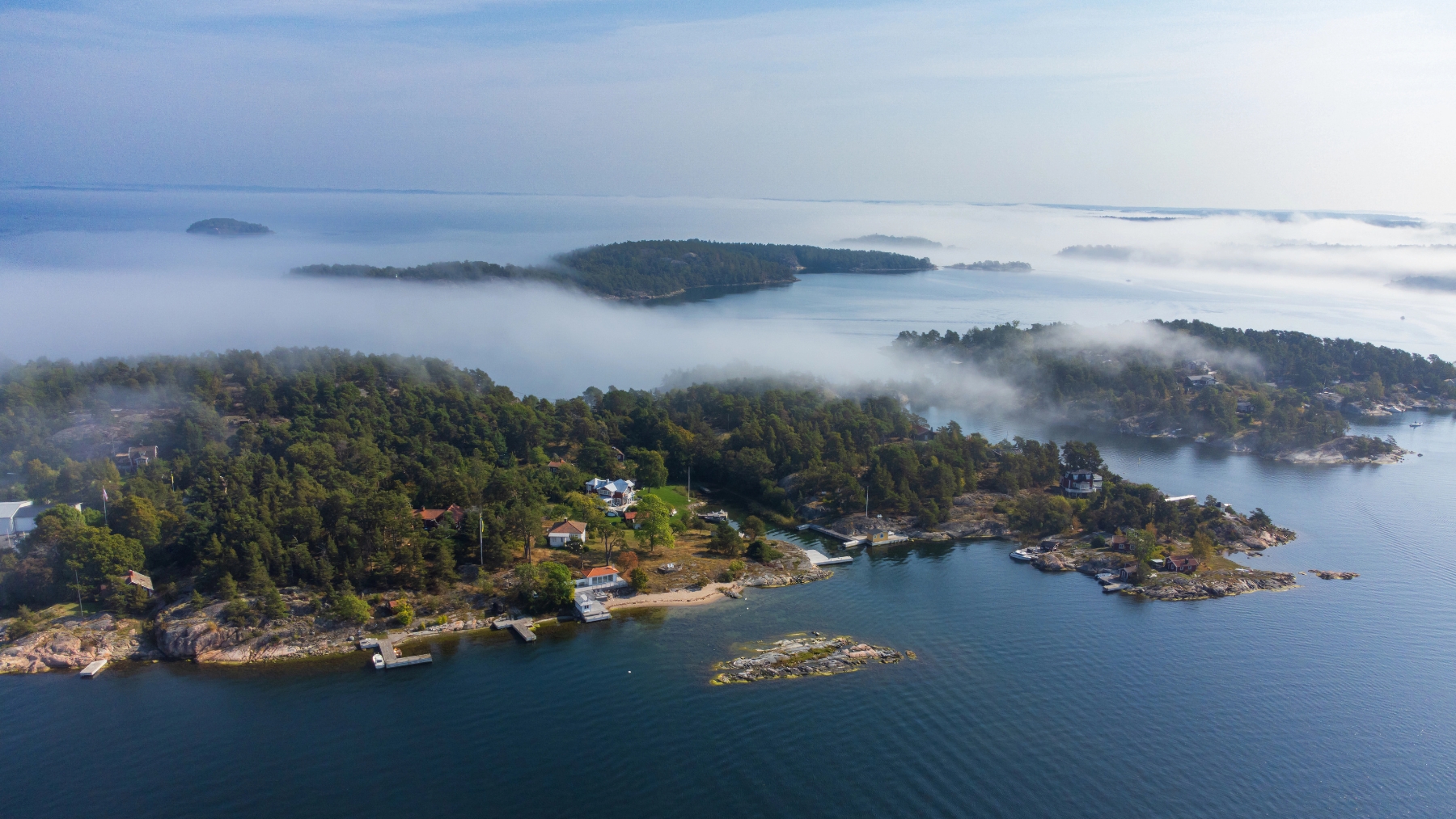
The five Nordic countries, Sweden, Norway, Denmark, Finland and Iceland, are often discussed together because they share a number of historical, political and cultural connections. As discussed, while the term Scandinavia refers specifically to Sweden, Norway and Denmark, the broader Nordic region includes Finland and Iceland, as well as several associated territories such as the Faroe Islands, Greenland and Åland. Cooperation between these countries is formalised through institutions such as the Nordic Council, which promotes collaboration across areas including politics, culture, education and economic policy. Further, despite differences in language and geography, within the larger group, the Nordic countries have developed broadly similar social systems and maintain extremely close relationships with one another. Geographically, the region is remarkably diverse. From the low-lying coastal landscapes of Denmark, through the forests and lakes of Sweden and Finland, and further west to the volcanic terrain of Iceland and the dramatic fjords and mountains of Norway. Unsurprisingly, this variety of landscapes has played an important role in shaping how golf has developed across the region. Although it is notoriously difficult to estimate exactly how many golf courses are fully functional in a country at any one time, estimates suggest that there are around 1,500 golf courses across the Nordic region.
Golf in the Nordic Countries
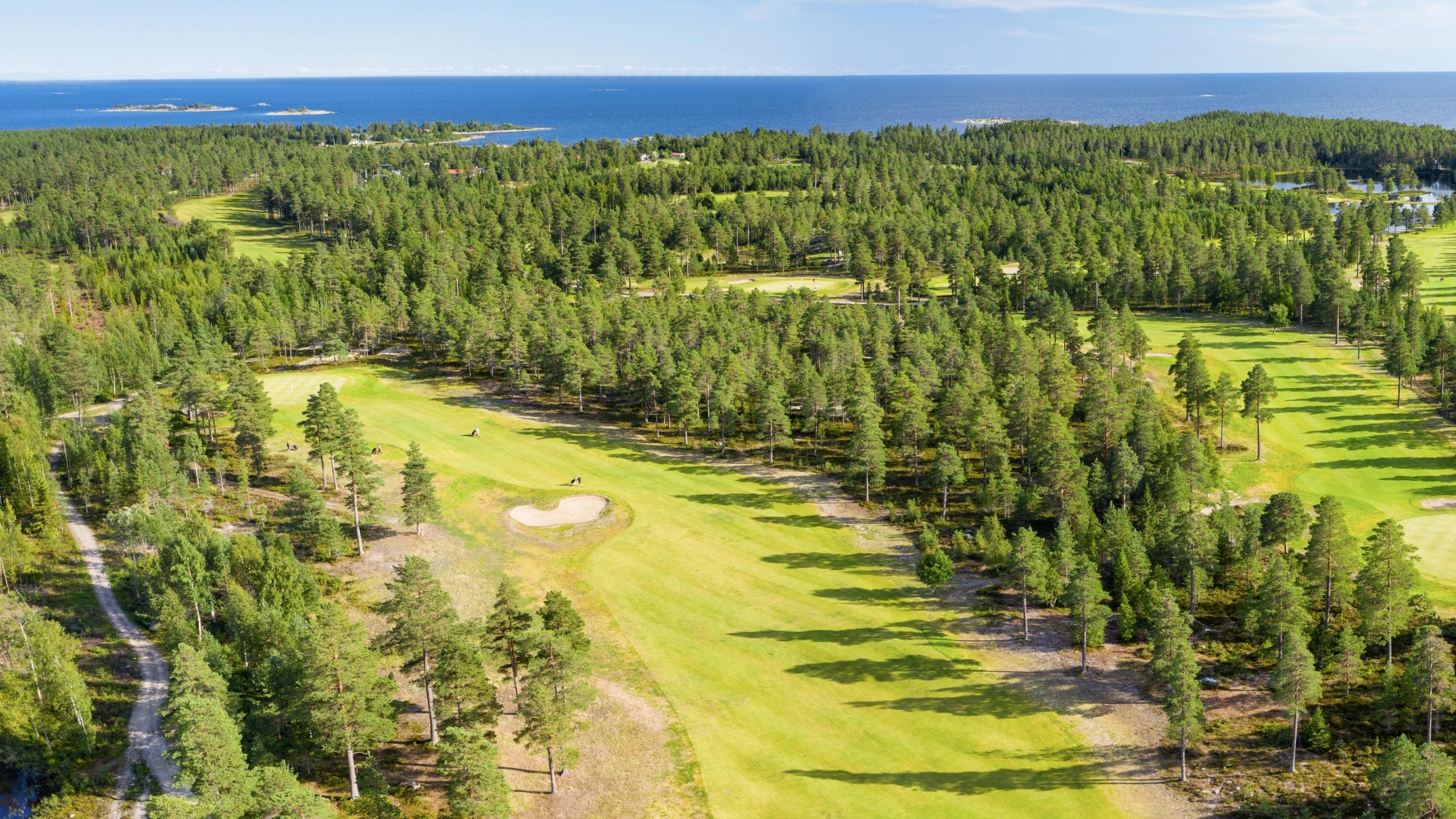
Golf has grown significantly across the Nordic region over the past half century, supported by high participation rates and well-organised national golf federations. Although the five countries share broadly similar climates and long summer daylight, the character of golf varies considerably depending on geography. Coastal terrain in Denmark and southern Sweden has produced courses with a strong links influence, while inland areas of Sweden and Finland are dominated by forest and parkland layouts. Norway and Iceland add another dimension, with courses often set in dramatic natural landscapes where mountains, fjords or volcanic terrain form part of the playing environment.
Golf in Sweden
Sweden sits at the centre of golf in the Nordic region, both in terms of scale and influence. For a fuller look at Sweden as a golf destination, read the guide to golf in Sweden. With more than six hundred courses and a large playing population, golf has become a deeply embedded part of Swedish sporting culture. Most courses operate through traditional clubs, many of which welcome visiting players while maintaining strong member communities. Sweden has produced a number of golfers who can be considered amongst the world's best, including Annika Sörenstam, arguably the greatest ever female golfer who grew up playing on Bro Bålsta GK, just outside Stockholm. The country’s size and geography create considerable variety. Inland regions are dominated by forest and parkland courses, while the southern and western coasts feature layouts shaped by wind, sand and open coastal terrain. The west coast province of Halland is particularly well known among golfers, with courses such as Halmstad Golf Club widely regarded as one of the finest in northern Europe. Further south, Falsterbo Golf Club offers a classic seaside setting where the course runs close to the beaches of the Öresund strait. Near Stockholm, modern championship venues such as Bro Hof Slott demonstrate another side of Swedish golf, combining large-scale course design with high-quality infrastructure. Taken together, these different landscapes make Sweden one of the most diverse golfing destinations in Europe.
Golf in Denmark
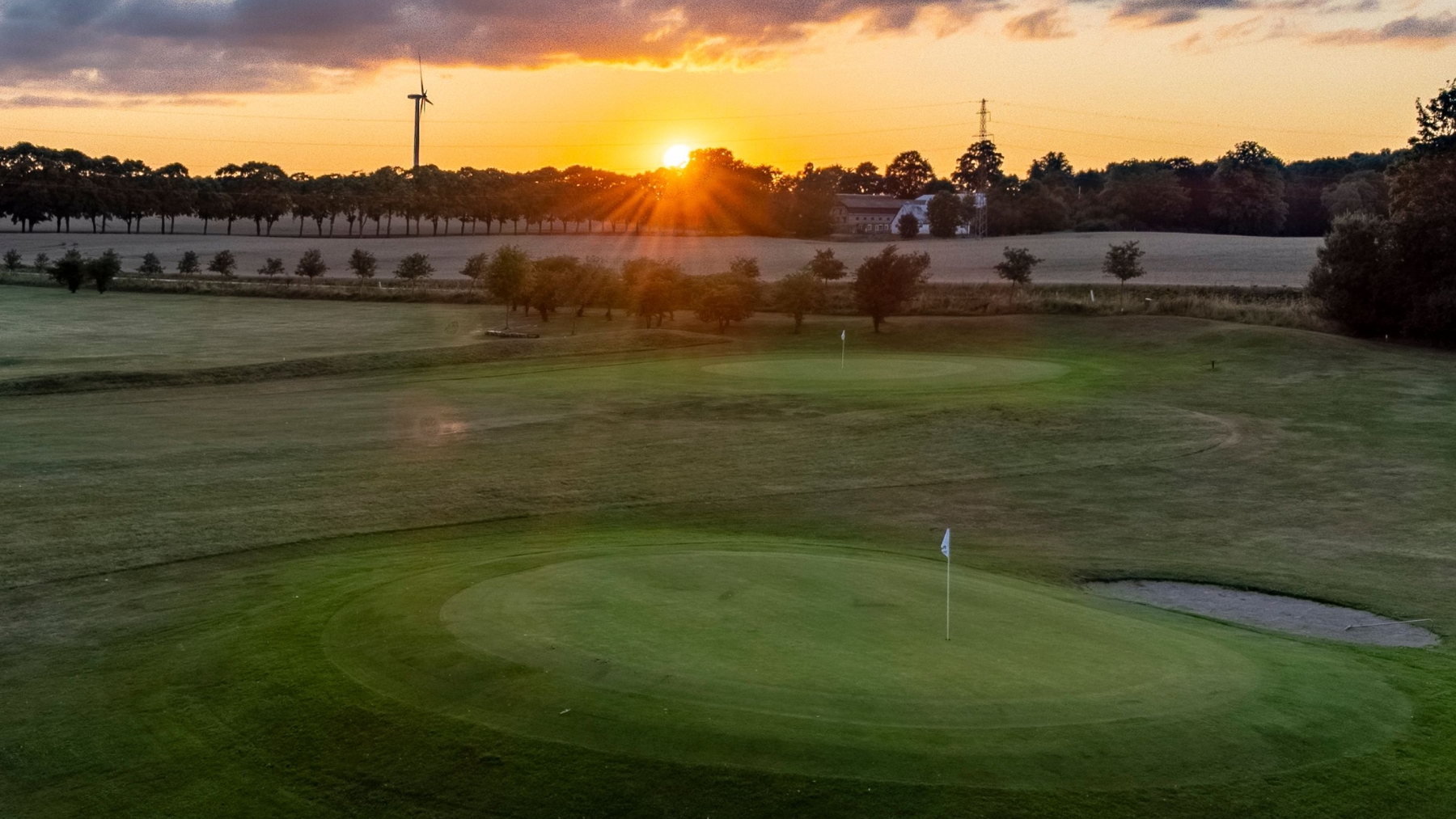
Denmark’s geography gives its golf a distinctive character within the Nordic region, as explored in the Golf in Denmark guide. The country is low-lying and surrounded by sea, and many courses are influenced by the winds and sandy soils that shape traditional links golf. This influence is most evident along the western coast of Jutland, where open landscapes and North Sea weather conditions create courses that reward creative shot-making. Despite its relatively small size, Denmark has developed a strong reputation for high-quality courses and excellent golf infrastructure. One of the best known modern venues is HimmerLand Golf & Spa Resort, which has hosted several European Tour events and showcases championship-level course design in the Danish countryside. Denmark also offers important historical golfing traditions through clubs such as Royal Copenhagen Golf Club, one of the oldest golf clubs on the European mainland. As distances are short and transport networks are efficient, Denmark is particularly well suited to golf travel, allowing visitors to combine several courses within a relatively compact region.
Golf in Norway
Golf in Norway is shaped less by scale and more by the dramatic landscapes in which many courses are set. Compared with Sweden or Denmark, the country has fewer courses, but those that do exist are often located in striking natural environments where mountains, fjords and rugged coastlines become part of the experience. The best known example is Lofoten Links, situated above the Arctic Circle on Norway’s northern coastline. The course has gained international recognition for its spectacular setting beside the Norwegian Sea, where holes run across rocky ground with views toward surrounding peaks and open water. During midsummer it is even possible to play late into the evening under the midnight sun. This is one of the most unusual golf experiences in the Nordic region. Closer to the capital, Oslo Golf Club provides a more traditional parkland environment and represents the long-standing golf culture around the city. While Norway may not offer the same density of courses as its neighbours, the combination of scenery and unique locations gives Norwegian golf a distinctive appeal.
Golf in Finland
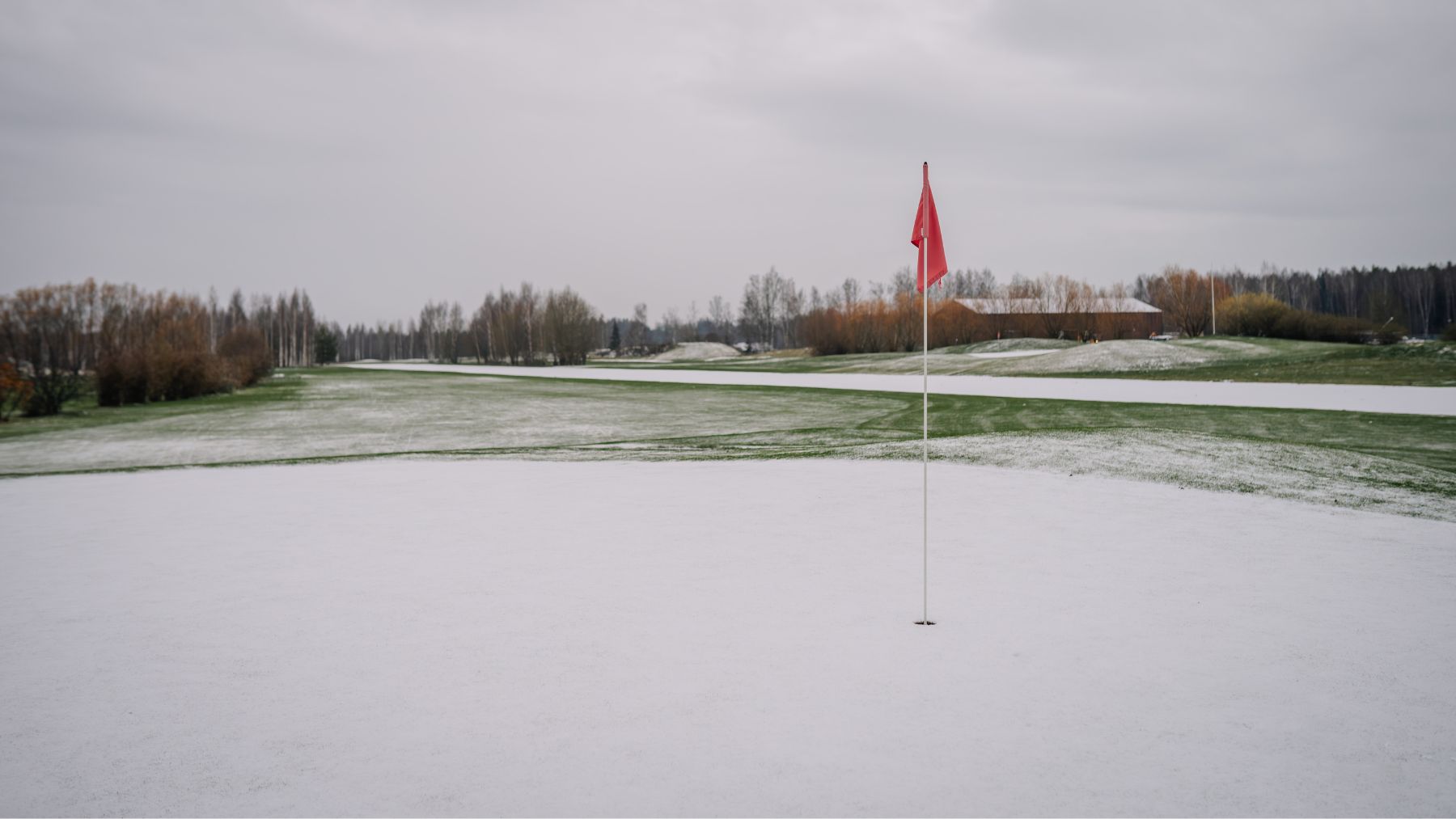
Finland’s golf landscape reflects the country’s wider natural environment, as covered in the Golf in Finland guide, which is dominated by forests, lakes and gently rolling terrain. Many Finnish courses are built within woodland settings or alongside water, creating a calm and scenic atmosphere that contrasts with the more exposed coastal golf found elsewhere in the Nordic region. Golf has grown steadily in Finland over recent decades, and the country now has a well-established network of clubs and courses, particularly around the Helsinki region. One of the most highly regarded is Kytäjä Golf, located north of the capital, where two modern championship courses are set within expansive forest landscapes. In central Helsinki, Helsinki Golf Club represents the historical heart of Finnish golf and remains one of the country’s most prestigious clubs. The long summer daylight typical of northern latitudes allows extended playing hours during the main season, and combined with Finland’s tranquil natural surroundings, this creates a relaxed and distinctive environment for the game.
Golf in Iceland
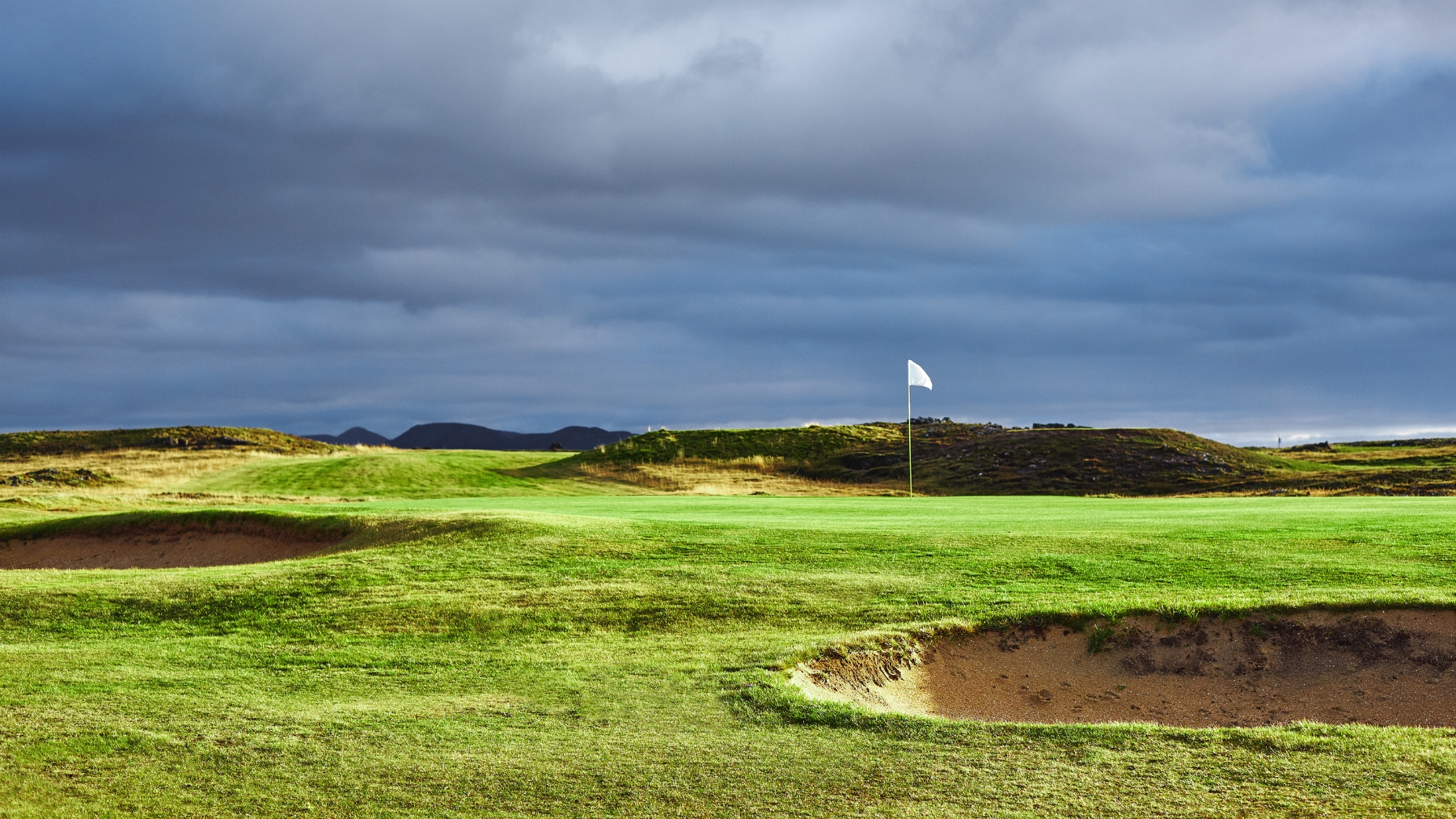
Iceland offers perhaps the most unusual golfing environment in the Nordic region, as outlined in the Golf in Iceland guide. The country has a relatively small number of courses, but their locations often place golf within landscapes that feel unlike anywhere else in Europe. Volcanic terrain, lava fields and open coastal scenery shape many Icelandic courses, creating dramatic surroundings for the game. One of the most distinctive examples is Keilir Golf Club, located on the Reykjanes Peninsula near Reykjavík, where holes are played across ancient lava formations. Further north, Akureyri Golf Club is known for hosting the annual Arctic Open, a tournament where players compete under the midnight sun during the height of summer. While Iceland may not offer the same number or variety of courses as other Nordic countries, the unique natural environment and unusual daylight conditions make it one of the most memorable golfing destinations in the region.
Why the Nordics Are Interesting for Golf Travel
When considered together, the Nordic countries offer a combination of landscapes and golfing traditions that is difficult to find elsewhere in Europe. Within the region it is possible to experience windswept coastal golf in Denmark, classic seaside courses in southern Sweden, forest layouts among the lakes of Finland and dramatic mountain and fjord settings in Norway. Iceland adds another dimension, with courses set in volcanic terrain and the possibility of playing under the midnight sun during the height of summer. Another defining feature of Nordic golf is the long daylight hours during the main playing season, something explored further in The Golf Season in the Nordics. In midsummer it is common for golfers to play well into the evening, particularly in the northern parts of the region. Combined with generally well-maintained courses and strong golfing infrastructure, this makes the Nordic countries an appealing and often overlooked destination for golf travel.
Conclusion
Although the terms Scandinavia and the Nordic countries are often used interchangeably, the distinction becomes meaningful when exploring the region more closely. The broader Nordic area includes five countries with very different landscapes and golfing traditions. From Denmark’s coastal courses to the forests of Finland and the dramatic scenery of Norway and Iceland, the region offers a wide variety of experiences for travelling golfers. Understanding how these countries fit together provides a useful starting point for exploring golf across the Nordic world, something you are very much urged to do.