Introducing Denmark
For many travelling golfers, Denmark is often overlooked. It sits quietly between the better-known golfing destinations of the UK and Ireland to the west, Germany to the south, and Sweden and the wider Nordic region to the north and east, and is rarely the first place that comes to mind when planning a golf trip, if it comes to mind at all. While that may be understandable, it also means that Denmark is frequently underestimated.
Take a closer look, and Denmark begins to make more sense. It offers a distinct style of golf shaped by its landscape, coastline, and long-standing domestic golf culture, and the country is compact, easy to travel through, delivering a consistency of experience that is sometimes missing elsewhere. The golf may not carry the same global reputation as Scotland or Ireland, but the overall experience can be just as rewarding, and Denmark is not trying to compete directly with the traditional golfing powerhouses, instead offering an alternative perspective on Nordic golf for those willing to look beyond the obvious.
What Makes Golf in Denmark Different
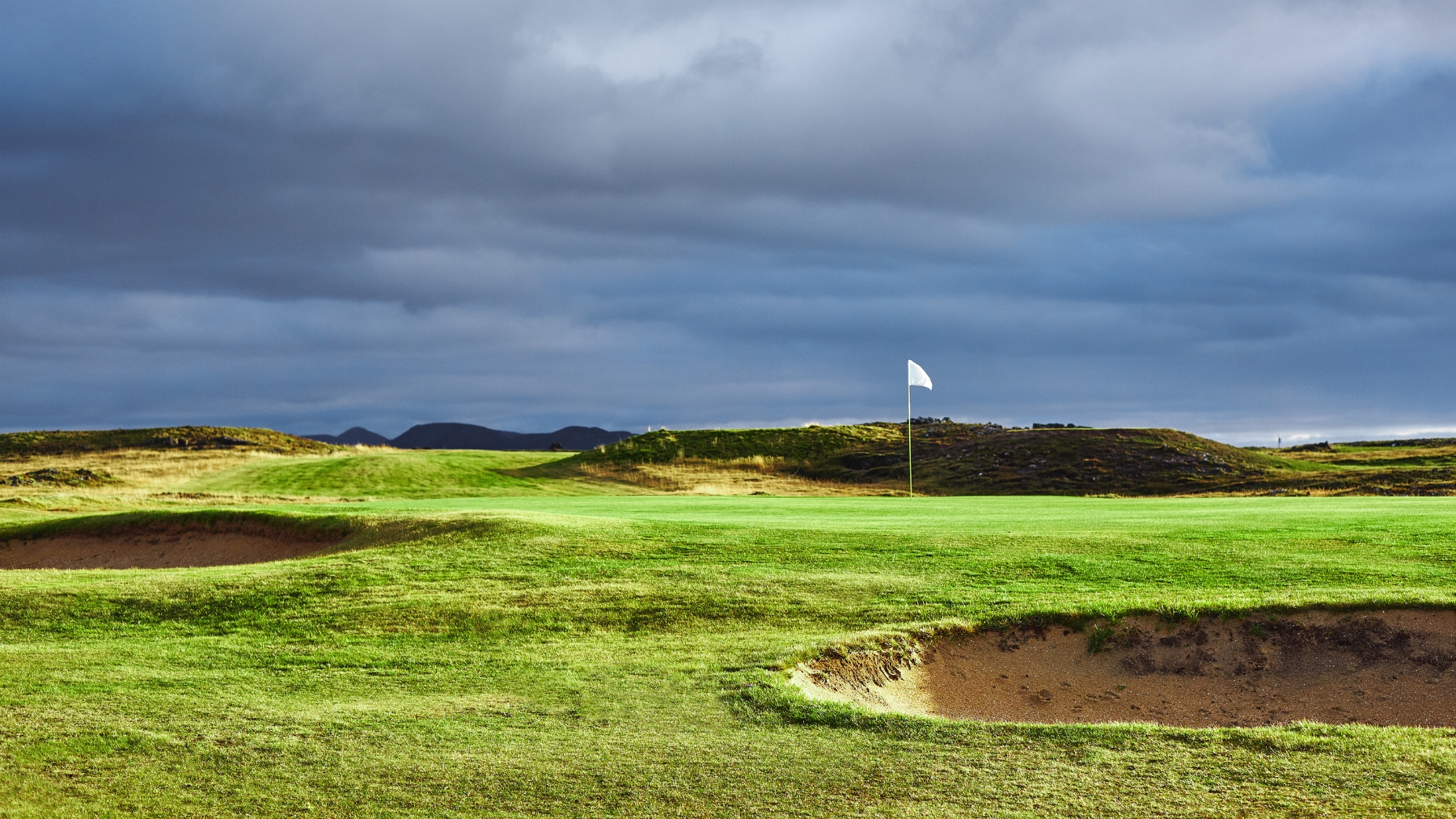
One of the defining characteristics of golf in Denmark is its connection to the landscape. This is a low-lying country shaped by wind, coastline, and open terrain, and as a result many courses feel exposed in a way that is quite different from the forested, parkland-heavy layouts found elsewhere in the Nordic region. While Denmark does not have the same depth of true links courses as Scotland or Ireland, it comes closer than most other European countries, particularly along the west coast where the golf is heavily influenced by the sea, with sandy ground, natural terrain, and wind as a constant factor in shot selection. Courses here are not manufactured but instead sit within the landscape and are shaped by it.
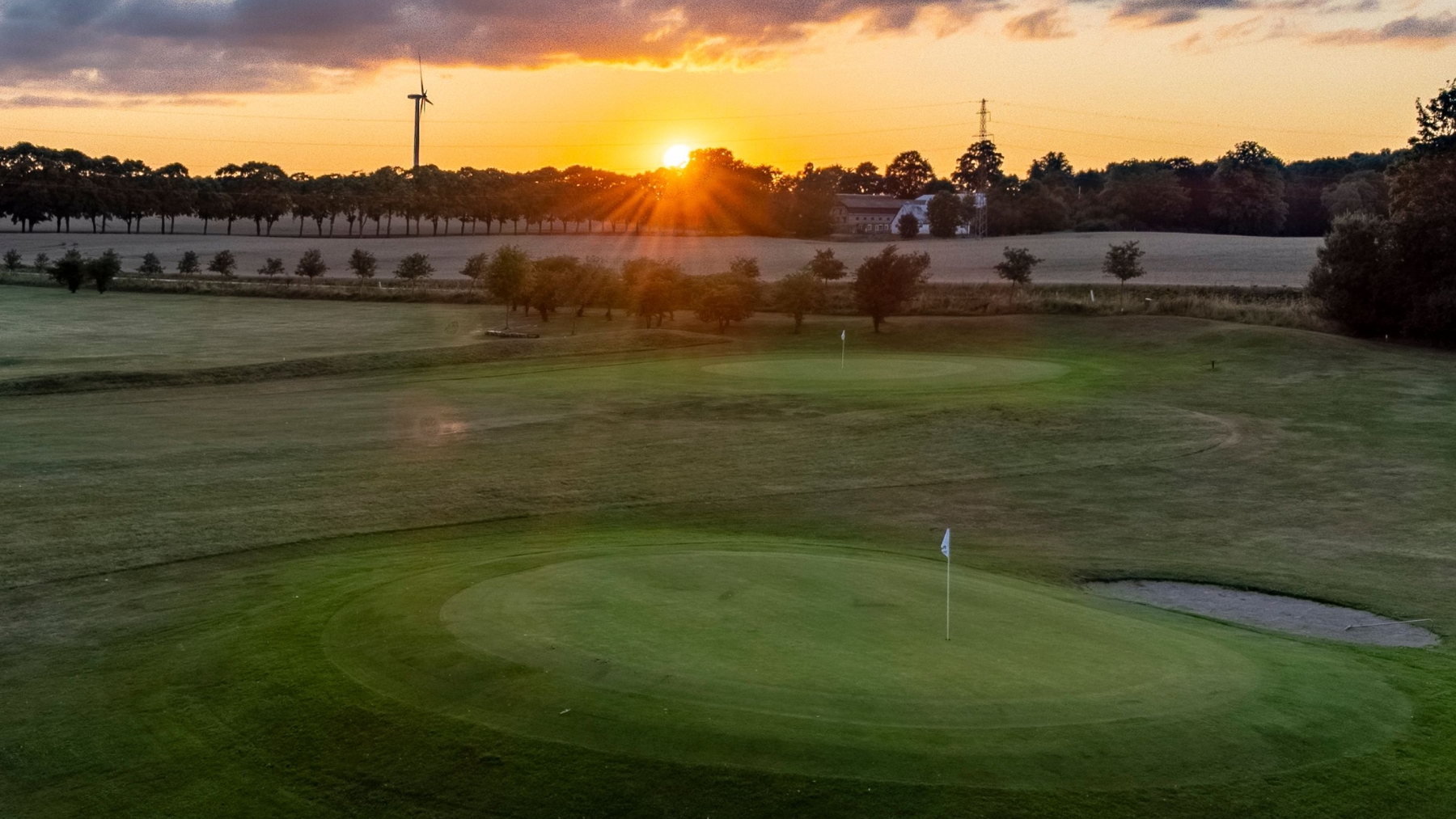
Away from the coast, Denmark offers a different style of golf again, with inland courses tending to be more structured and often set across gently undulating farmland or open countryside. These courses are typically very well maintained, playable, and thoughtfully designed, even if they do not always carry the same visual drama as the coastal layouts, and alongside this, accessibility becomes a defining feature of Danish golf, with short distances, strong infrastructure, and straightforward travel between courses making it well suited to multi-course trips where you can experience different regions without spending long periods in transit.
Best Regions for Golf in Denmark
The West Coast: Denmark’s Closest Thing to Links Golf
If there is one area that defines golf in Denmark, it is the west coast, stretching along the North Sea and offering the most distinctive and, in many cases, the most memorable golf in the country. Here the landscape changes, with terrain becoming more natural, more rugged, and more exposed, while the influence of the sea is constant, both visually and in the way the courses play. Wind is rarely absent and becomes an integral part of the experience rather than an occasional challenge, and this region works best when treated as a focused trip where you base yourself in one area, play a number of courses, and allow the conditions to shape the experience rather than trying to tick off a list of well-known names.
Courses such as Blåvandshuk Golf Club and Henne Golf Club give a strong sense of what this part of Denmark has to offer, carrying many of the characteristics associated with traditional links golf even if they are not exact replicas. The ground is firm, the shaping is subtle, and the emphasis is often on playing the ball along the ground rather than through the air, while Fanø Golf Links stands out as something more distinctive again, feeling closer to traditional Scottish links than anywhere else in Denmark, having been originally laid out at the turn of the twentieth century by Prestwick’s Robert Dunlop and later extended by North Berwick’s William Keppie, and remaining a clear throwback to classic links golf with blind shots, highly contoured natural greens, and back-to-back par threes.
Copenhagen and Zealand
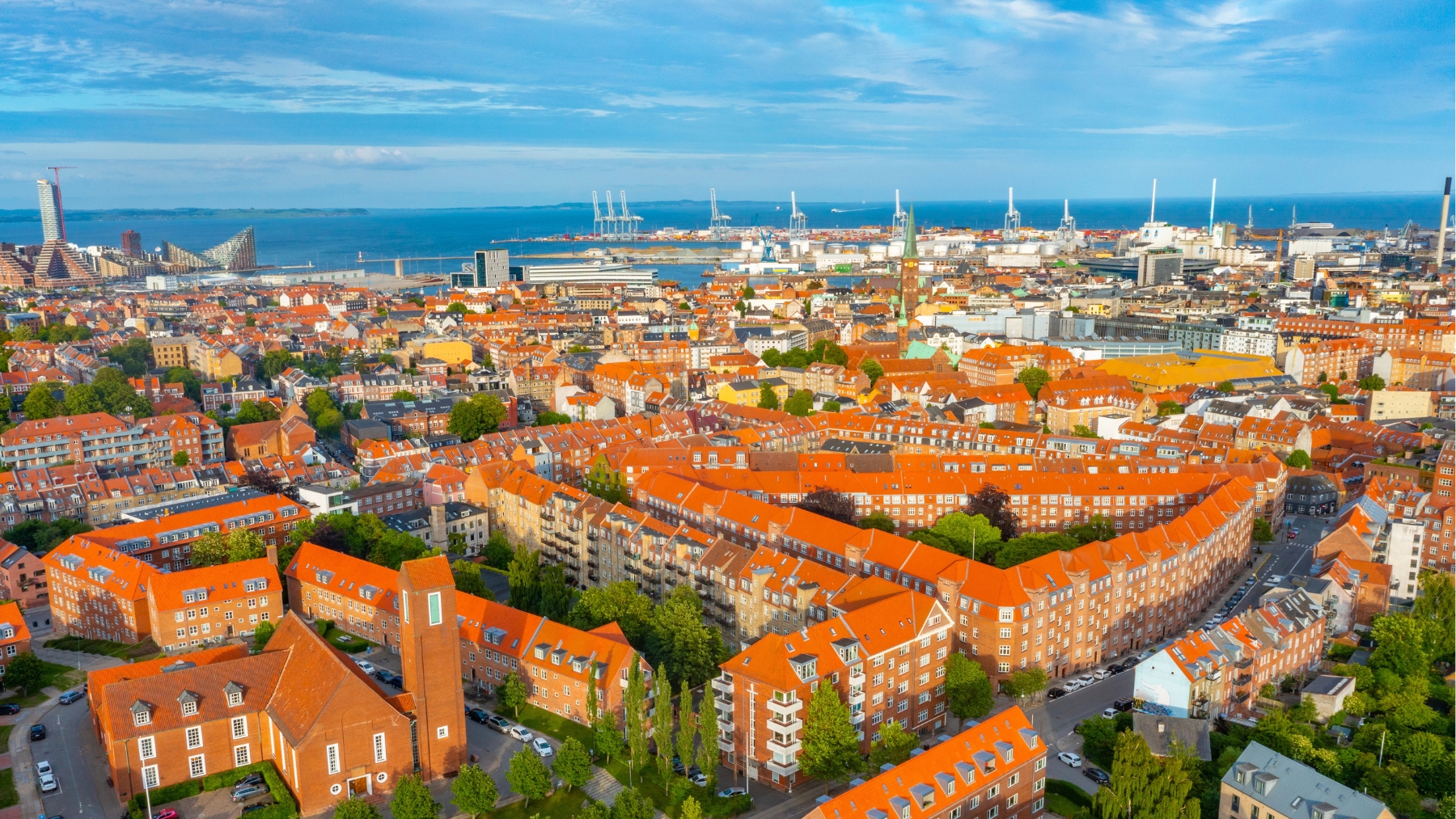
For many visitors, Copenhagen is the natural entry point into Denmark, offering strong international connections and providing an excellent base for combining golf with a city break in what is a beautiful and cosmopolitan European capital. From a golfing perspective, Copenhagen and the wider Zealand area offer a more polished and structured experience than the west coast, with courses often set within forested or parkland environments and an overall emphasis on presentation and design, while the wide selection of courses within easy reach of the city makes it straightforward to build a trip that combines golf with restaurants, culture, and a broader urban experience without the need for complex travel arrangements.
One of the standout venues in the region is the Scandinavian Golf Club, located to the north of the city, offering two contrasting courses set within a forest landscape and widely regarded as one of the finest golfing facilities in Denmark and the wider Nordic region. The setting is calm, the design is thoughtful, and the overall standard is high, while Rungsted Golf Klub, Københavns Golf Klub, the oldest golf club in Scandinavia, and the more recent Royal Golf Club all provide strong and varied tests within close reach of the capital, and for those willing to travel a little further into Zealand, Holbæk Golfklub introduces something slightly different again, with nine holes extending onto a peninsula into Holbæk Fjord where the setting becomes as much a factor as the layout itself.
Northern Denmark
Northern Denmark, particularly the area around Aalborg, offers another variation of Danish golf, with an open and expansive landscape that combines coastal and inland courses in a way that reflects the character of the region. Courses such as HimmerLand Golf & Spa Resort provide one of the strongest tests in the country, having hosted multiple European Tour events, while Aalborg Golf Klub offers a more traditional parkland layout set within forest and heathland, and along the coast destinations such as Frederikshavn Golfklub and Hvide Klit Golfklub introduce a more exposed feel where wind and terrain begin to shape the round in a similar way to the west coast, albeit in a slightly softer form. This part of the country tends to feel quieter and less visited than the areas around Copenhagen, with a noticeably slower pace that suits golfers who prefer a less structured trip focused on playing, short travel days, and taking in the surroundings as part of a wider journey rather than treating the golf as the sole purpose of the trip.
Bornholm Island
For a shorter but more distinctive golf trip, Bornholm is worth considering, sitting in the Baltic Sea and geographically closer to Sweden than mainland Denmark, and offering something quite different again. Often referred to as Solskinsøen, or the Sunshine Island, Bornholm is known for its milder climate and a landscape that stands apart from the rest of the country, with rocky coastline, varied terrain, and a more rugged overall feel that carries through into the golf itself. Courses here feel more exposed and more closely connected to the natural surroundings, with the experience shaped less by refinement and more by the setting, while Nordbornholms Golfklub, in the north of the island, offers 36 holes including the Old Course, which regularly appears in Danish top 50 rankings, and Bornholms Golfklub and Nexø Golf Klub provide additional options in the south. A trip to Bornholm works best when treated as a destination in its own right, travelling to the island, typically via Ystad in Sweden, and staying for a few days to build the experience around both the golf and the location, creating something that for many becomes one of the most memorable parts of a Nordic golf journey.
Standout Courses to Know
Denmark has a strong and consistent standard of golf, and while a number of courses have already been mentioned, it is worth stepping back and recognising the overall quality across the country, with venues such as Fanø Golf Links, HimmerLand Golf & Spa Resort, and the Scandinavian Golf Club featuring prominently in discussions but by no means existing in isolation. Across Denmark, there is a depth of well-maintained and thoughtfully designed courses that allows you to build a trip around a range of venues rather than relying on one or two headline names, and what becomes clear quite quickly is that Denmark offers variety within a relatively compact area, from coastal, links-influenced golf along the west coast to more structured parkland layouts around Copenhagen and quieter, more expansive settings in the north, creating a balance that makes it easy to shape a trip to your preferences without unnecessary complexity.
When to Visit
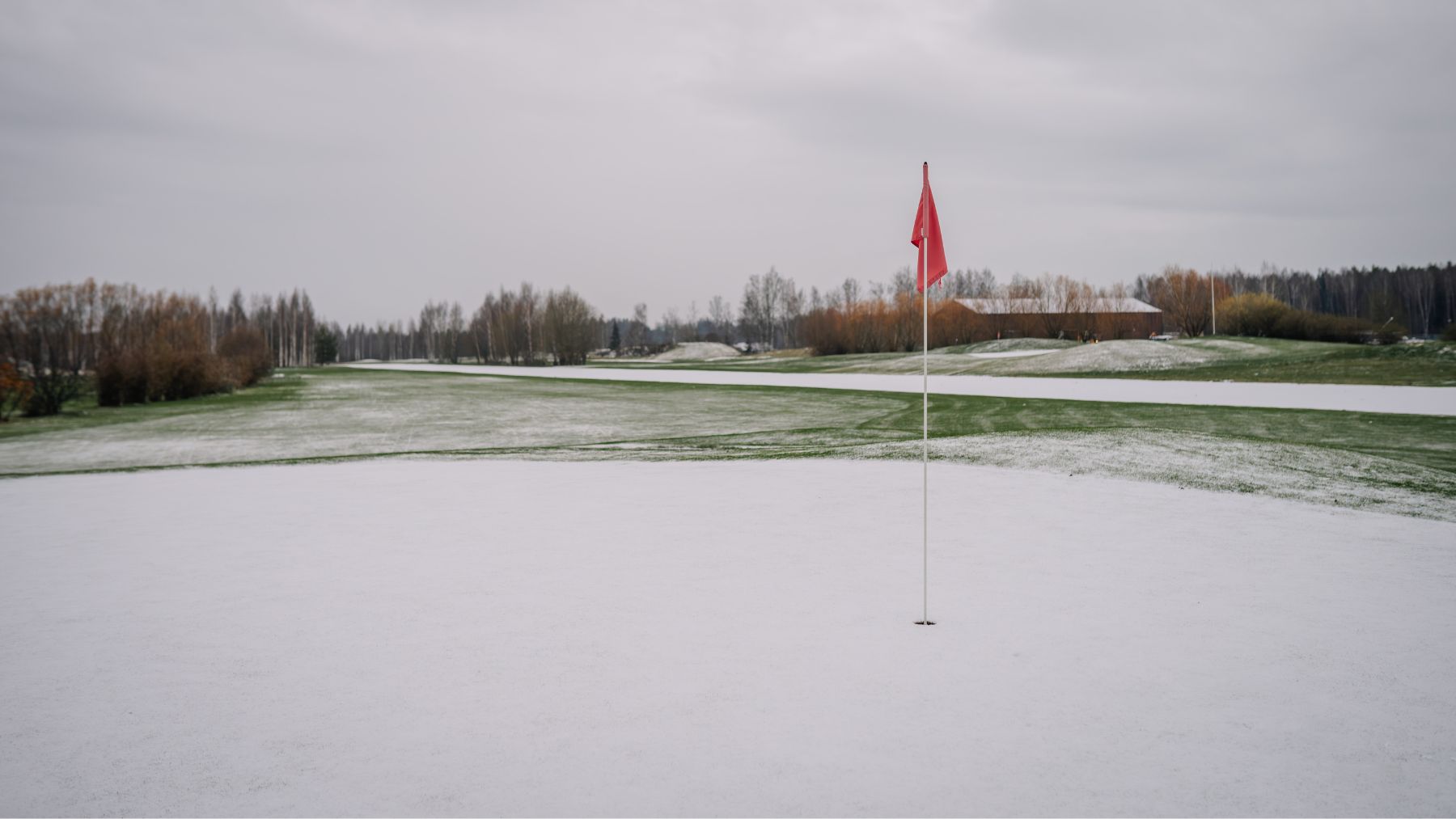
As with much of the Nordic region, there are times of year when golf in Denmark is simply not an option, with winter bringing cold conditions, limited daylight, and course closures or restricted play, but there is a clear Danish golf season that typically runs from early spring through to late autumn. For most travellers, May to September offers the best combination of conditions and accessibility, with June to August representing the peak period when courses are at their best and longer daylight hours allow for a more relaxed pace of golf, while the shoulder months on either side can also work well, offering quieter courses and slightly better value even if the weather is less predictable and can change quickly, particularly along the coast. Timing ultimately depends on what you are looking for, with mid-summer providing the most reliable conditions and fullest experience, and the edges of the season offering a quieter and more flexible alternative.
Typical Costs and Overall Value
Denmark is not a low-cost golf destination, and that is something to be aware of when planning a trip, with green fees, accommodation, and food generally higher than in southern Europe, although often slightly more moderate than elsewhere in the Nordic region. Value here is less about finding the lowest price and more about the overall ease and consistency of the experience, with well-maintained courses, reliable facilities, and straightforward travel between venues combining to create a trip that feels smooth from start to finish, and for many golfers that balance is what makes Denmark appealing, offering something that is easy to organise, enjoyable to experience, and quietly consistent in its quality rather than focused purely on cost.
Where to Stay
Accommodation in Denmark is straightforward and varied, and in most cases forms a key part of how you structure a golf trip, with Copenhagen offering a wide range of hotels across different price points that allow you to base yourself in the city while accessing nearby courses with ease, particularly if you want to combine golf with restaurants, culture, and the wider city experience. In other regions, particularly along the west coast, it often makes more sense to stay closer to the courses themselves, with small hotels, guesthouses, and holiday homes providing a more relaxed and practical base and often sitting within short driving distance of multiple courses, allowing for a simple and efficient itinerary without long travel days, while larger rental properties can work well for groups seeking flexibility and value. On Bornholm, accommodation becomes more closely tied to the overall experience, with staying on the island allowing you to settle into its rhythm rather than moving between locations, and shifting the focus slightly away from convenience and towards atmosphere, where the setting plays a central role in shaping the trip.
How to Get There and Around
Denmark is one of the easiest Nordic countries to reach, particularly from the UK and northern Europe, with Copenhagen serving as the main international gateway and Billund providing useful access for trips focused on Jutland and the west coast, while strong connections to both Sweden and Germany make it easy to include Denmark as part of a wider Nordic itinerary. Once in the country, travel is simple, with short distances, well-maintained roads, and strong infrastructure making it easy to move between regions, and while public transport can work for trips focused around Copenhagen and Zealand, hiring a car generally offers the greatest flexibility, particularly for itineraries in Jutland or along the west coast where it allows you to move freely between courses without relying on fixed schedules.
As with much of Scandinavia, logistics in Denmark are efficient and well organised, making travel between courses predictable and straightforward, and with English widely spoken, visitors will have no difficulty navigating, booking, or communicating throughout their trip.
Who Denmark Is Perfect For
As a golfing destination, Denmark suits golfers who value ease and variety as much as the golf itself, working particularly well for those looking for a straightforward and well-structured trip where multiple courses can be played without long transfers or complicated planning. The combination of coastal and inland golf, strong conditioning, and a consistent standard across the country creates an experience that feels reliable as well as enjoyable, while the relaxed and welcoming nature of golf clubs adds to the overall appeal. Denmark also lends itself to travel beyond the golf, with the proximity of courses to cities, coastline, and other points of interest making it easy to build a trip that includes more than just time on the course, particularly for those who enjoy combining golf with food, culture, and a more social style of travel.
Who It Might Not Suit
Denmark is less suited to golfers looking for guaranteed sunshine, resort-style golf, or a high volume of rounds at a lower cost, and it does not offer the same concentration of headline courses as some of Europe’s more established destinations. While the golf is consistently strong, it is rarely built around a single standout venue, and those seeking a heavily packaged or luxury resort experience may find the offering more understated, while golfers focused on maximising the number of rounds in a short period may find better value elsewhere.
Sample Denmark Golf Trip Ideas
One of the strengths of golf in Denmark is that it is easy to shape a trip around different styles of travel, with a Copenhagen-based visit providing a natural starting point that combines high-quality golf with city life and strong food culture, while a west coast itinerary offers something more distinctive where the focus shifts towards coastal golf, wind, and a style of play influenced by the sea. Northern Denmark works well for a quieter, more relaxed trip with a slower pace and fewer courses, while Bornholm provides a more self-contained option where the island setting adds a different dimension to the experience.
Final Verdict: Should You Choose Denmark for a Golf Trip?
Yes, if you are looking for something slightly different. Denmark offers a style of golf that is shaped by its landscape, supported by a strong domestic culture, and delivered through an experience that is both accessible and consistent, and while it may not have the same global profile as more traditional destinations, for the right golfer it provides a trip that feels both considered and rewarding.